
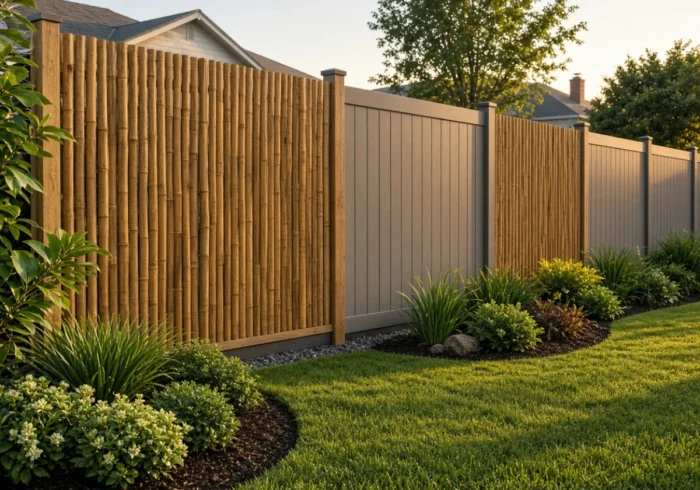
Bamboo panels bring a natural look to garden fences, while composite screening offers a more uniform finish with less maintenance. Both can make your outdoor space feel more private, relaxed and inviting. Still, each material has its own strengths worth weighing up.
This bamboo panels vs composite panels comparison covers materials, durability, upkeep and cost to help you choose the best option for your garden fence. You’ll also see how each one handles Australian sun and rain, plus what ongoing care really involves over the years.
We know choosing new screening for your home means balancing looks, budget and long-term performance. That’s why we’ve kept this guide practical, focusing on the details when you’re deciding for your own backyard.
What Are Bamboo Panels and Composite Screening Made Of?
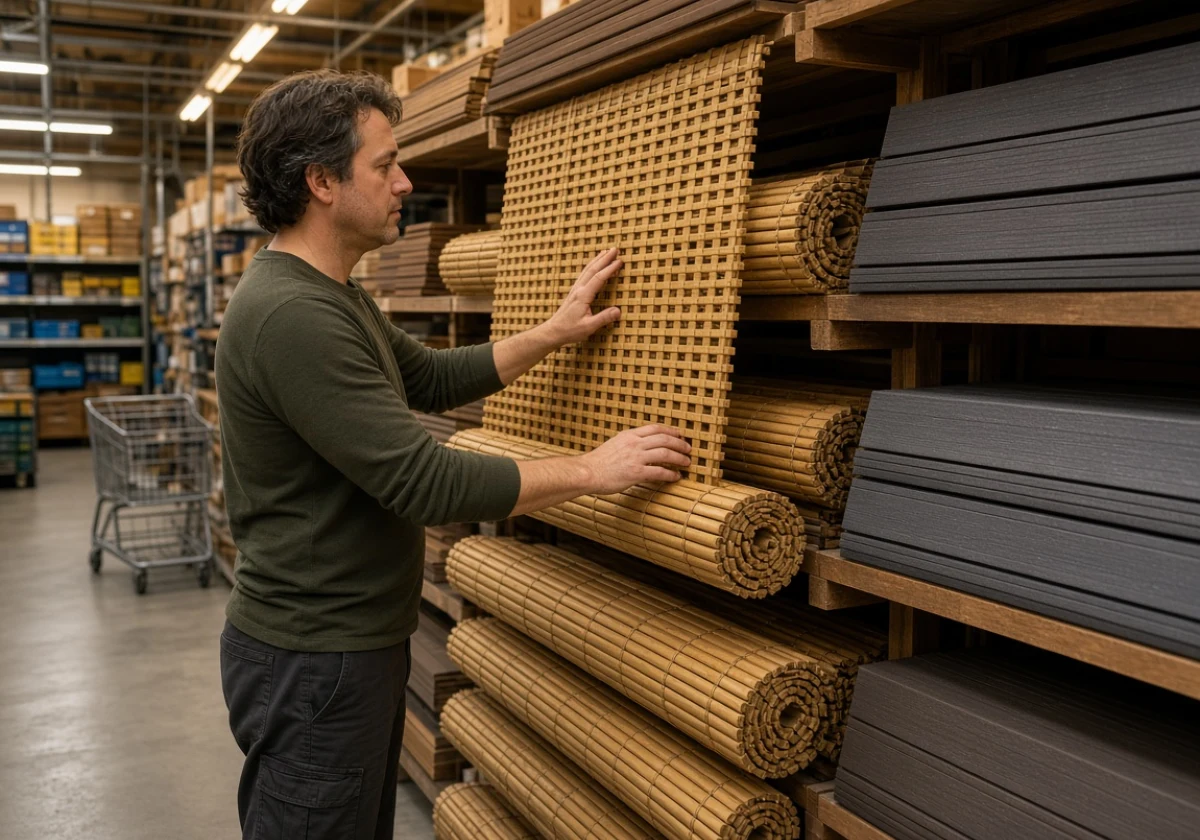
Bamboo panels are generally made from bamboo stalks, while composite screening combines bamboo fibres with plastic and other materials. The exact composition depends on the product and how it’s manufactured. Let’s look at what goes into each option and what that means for your garden.
Natural Bamboo Panels
Most manufacturers use mature bamboo stalks to make screening panels because the stalks have developed enough strength for outdoor use. Depending on how the bamboo is cut and assembled, you might get panels with rounded stalks and visible joints or a flatter finish made from split bamboo.
Those natural joints, colour variations and textures are part of what makes bamboo screening appealing. If you prefer a fence with a natural finish rather than a uniform, manufactured look, these details can be a plus.
Bamboo Composite Screening
Bamboo composite screening combines bamboo fibres or powder with plastic and other additives. Manufacturers process these materials together to produce screening with a more consistent colour and texture.
Some products also use recycled plastic, although the amount varies between manufacturers. Check the product specifications before buying to see how much bamboo and recycled material the screening contains.
How Do Bamboo Panels and Composite Screening Cope with Sun, Rain and Wear?
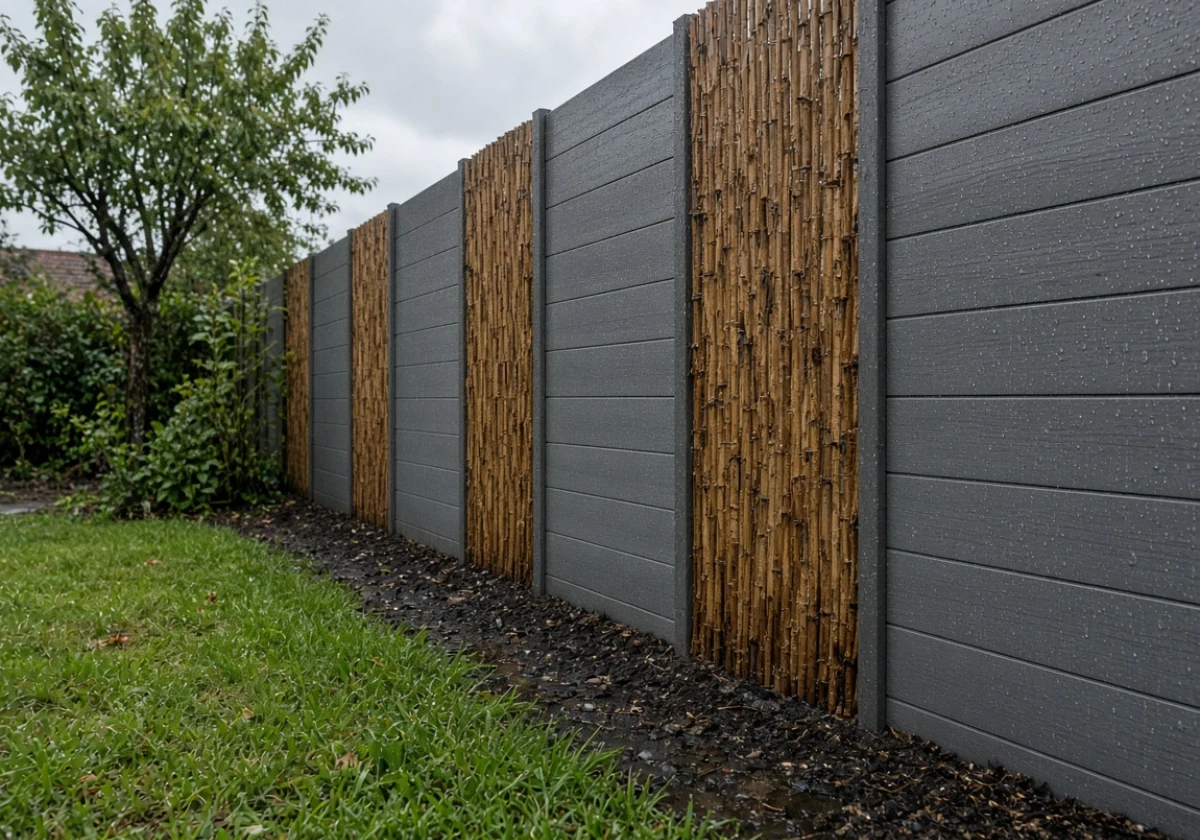
With the makeup settled, weather becomes the next test. Both bamboo panels and composite screening are rated for outdoor use, yet each weathers sun and rain differently. A humid Brisbane summer loads a screen in ways a dry Adelaide boundary never will.
The differences become clearer when you compare moisture resistance and long-term durability.
Moisture Resistance on Outdoor Privacy Screens
Bamboo can absorb moisture, especially through exposed ends and joints. If rainwater keeps soaking into these areas, the panels can deteriorate over time. To stop that happening, seal the panels with a suitable outdoor treatment, but read the product instructions before you start. Some panels need regular resealing, while others come pre-treated and need less frequent maintenance.
By comparison, composite screening generally absorbs less moisture than natural bamboo, thanks to the plastic in its composition. However, that doesn’t mean every composite product is waterproof. The amount of plastic, the type of materials used and the quality of manufacture all affect how well it handles wet conditions.
For either option, installation is important. Keep bamboo and composite panels clear of standing water, allow adequate drainage and follow the recommended installation clearances. These precautions help reduce avoidable moisture damage.
How Sunlight and Weather Affect Long-Term Durability
Over the years, we’ve noticed one clear difference between natural bamboo and composite screening: how they change in sunlight. Natural bamboo gradually fades, often developing a silvery-grey finish. To preserve its original colour, you’ll need to apply a suitable protective finish and maintain it according to the manufacturer’s recommendations.
Composite screening can fade too, but products with UV stabilisers or protective coatings are designed to limit this change. A study published in Forests found that a specially processed bamboo-fibre composite retained its surface colour better than natural bamboo during accelerated UV ageing tests. However, prolonged sun exposure can still leave panels lighter or less vibrant over time.
To compare how long bamboo panels and composite screening will last outdoors, check their expected service life, warranty and maintenance requirements. These will give you a better idea of how each material is likely to hold up over time.
Weighing Up Maintenance Requirements for Bamboo Panels and Composite Screening
Nobody wants to spend every other weekend maintaining a garden fence. If you’d rather clean your screening occasionally than keep applying protective finishes, the amount of upkeep each material needs is worth considering. Cleaning, protective treatments and repairs are the three main tasks to compare.
- Cleaning Routine: Both materials collect dust, dirt and grime outdoors, so occasional cleaning helps keep them looking their best. You can usually clean them with water, mild soap and a soft brush, following the manufacturer’s instructions.
- Protective Treatments: To help protect bamboo panels from moisture and weathering, you may need to apply a suitable bamboo protection oil or an exterior-grade sealant. The right option depends on the panel’s existing treatment and the manufacturer’s recommendations. By comparison, composite screening generally doesn’t need oiling or sealing, although occasional cleaning and checks for damage are still necessary.
- Repairs and Replacement: You can often replace individual damaged panels in either type of screening, depending on how they’re installed. But new natural bamboo panels may look different from older ones because the original panels have changed colour over time. Composite panels are often easier to match, provided the manufacturer still sells the same design and colour.
Overall, composite screening generally requires less routine maintenance, particularly if you want to avoid regularly reapplying protective finishes. Natural bamboo can still be a practical choice if you don’t mind the extra care or prefer its natural appearance. Before deciding, check the maintenance instructions for the specific products you’re considering.
Project Cost: Pricing Bamboo Panels Against Composite Screening
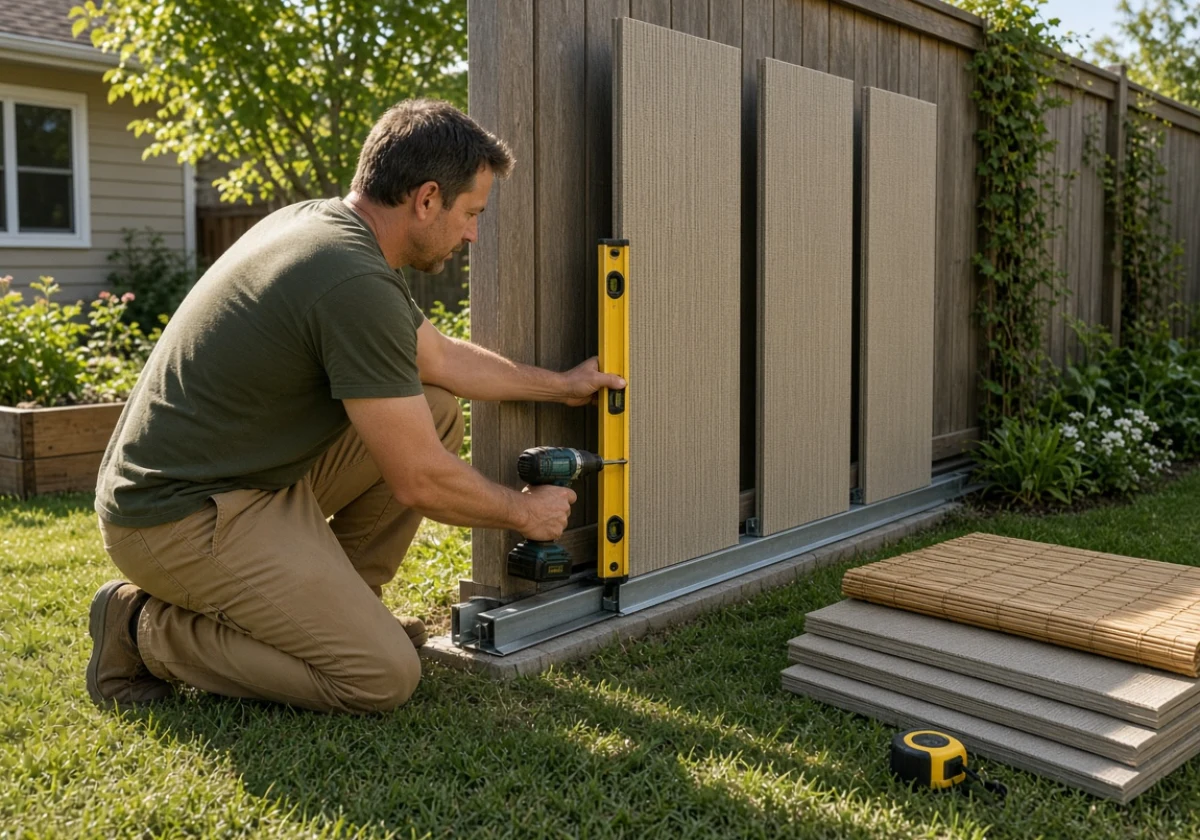
The total cost of garden screening includes the panels, delivery, installation and any additional materials. Use the table below to compare the quoted prices for bamboo panels and composite screening.
| Cost factor | Bamboo panels | Composite screening |
|---|---|---|
| Price per square metre | $45 to $80 | $90 to $150 |
| Installation | Depends on panel design, cutting and fixing requirements | Depends on the fixing system and installation requirements |
| Delivery | Confirm freight charges with the supplier | Confirm freight charges with the supplier |
When requesting quotes, ask suppliers to include delivery, fixings and installation if you’re hiring a contractor. Comparing the full cost of each option will give you a clearer picture of what you’ll pay for your finished fence.
Bamboo Screening Ideas for Your Own Backyard
Now it’s over to you. Which would you choose for your backyard: the natural look of bamboo or the lower-maintenance appeal of composite screening? Share your thoughts in the comments.
If you’re still weighing up your options, Bamboo Expo supplies bamboo fencing, screening and panels for Australian homes and landscaping projects. Get in touch with the team to discuss your project and find a suitable option for your space.n.