
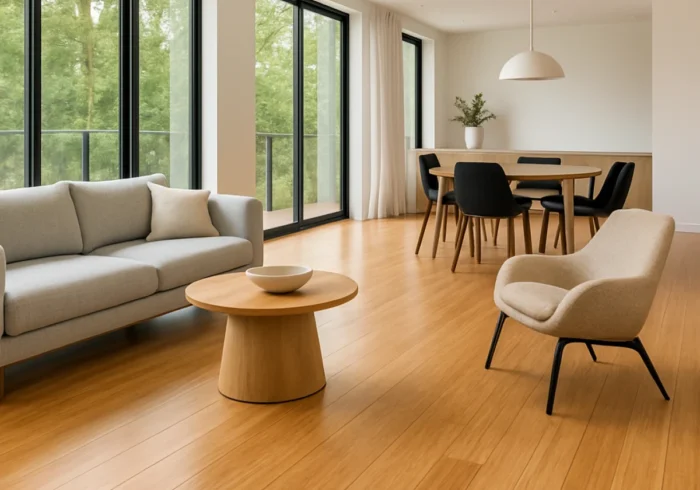
Bamboo durability depends on three things: the species, the factory process, and the treatment it receives before use. Two boards from the same species can wear at different rates. The difference lies in how each factory pressed and sealed them.
And that gap catches plenty of buyers out. Many compare bamboo flooring options on price alone. Then they wonder why one floor dents within a year while another still looks sharp. At Bamboo Expo, builders ask us about this almost every week. This guide covers what gives bamboo its strength, how it compares with oak and maple, and which treatments extend its life.
Bamboo Material Properties Behind Its Strength and Durability
Bamboo rivals many hardwoods for strength, yet most species reach harvest age in three to six years. Oak, by comparison, often needs decades to reach harvest size. Some species put on 91 cm in a day, which makes bamboo the fastest-growing plant on record.
That rapid growth comes from a grass structure rather than a tree one, which changes how the fibres carry weight. Three characteristics of bamboo explain the difference:
Tensile Strength That Rivals Steel
Bamboo fibres run straight along the stalk, so they resist pulling forces better than most timber of the same weight. Lab tests have measured the pulling strength of some bamboo fibres close to that of mild steel.
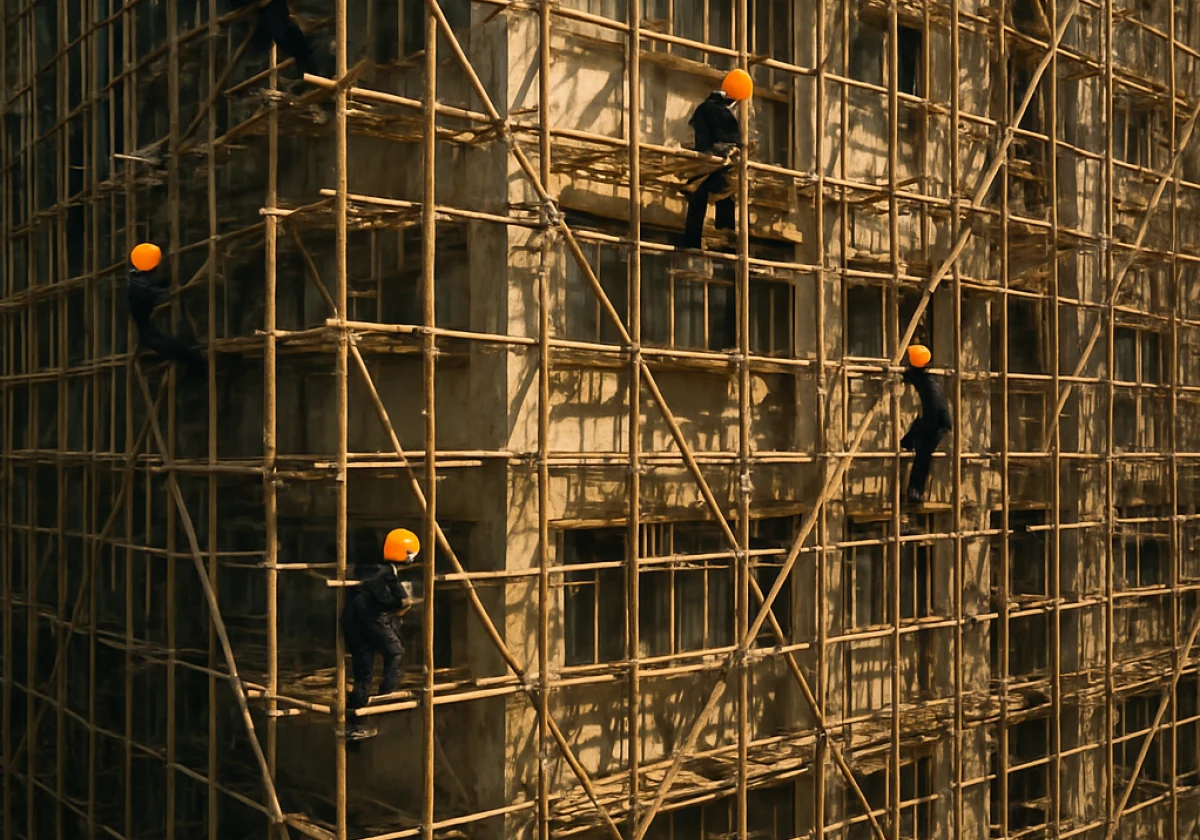
This strength shows up on real building sites. In Hong Kong and parts of South-east Asia, crews lash bamboo poles into scaffolding on high-rise buildings (the fibres bend long before they snap).
Tension isn’t the whole story, though. The same straight fibres that resist pulling also let a careless nail split bamboo along the grain. In bamboo construction, pre-drill every fixing hole and use screws that suit the board’s density.
How Strand Woven Bamboo Gets Its Hardness
Factories shred mature stalks into thin strands, coat them with adhesives, then press the lot under heat and heavy pressure. This manufacturing process drives out air and leaves a much denser board.
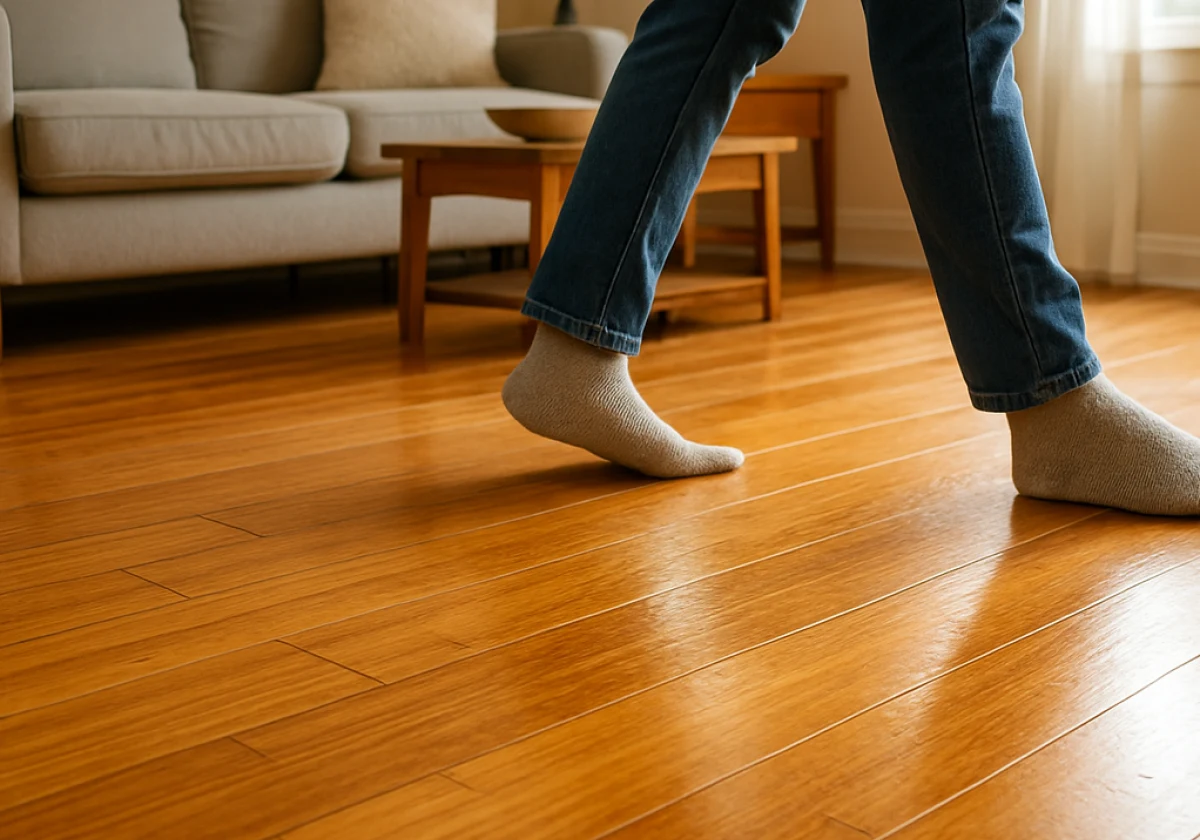
The result is strand-woven bamboo flooring, one of the hardest boards most suppliers stock. The density resists dents from dropped tools, chair legs and heavy furniture. Pet claws can still mark the finish, so scratch resistance depends on the top coat as well.
Density also carries a cost. The density wears out saw blades quickly, so remember to budget for sharp replacements on install day.
Moso Bamboo and Why Species Affects Strength
Moso bamboo supplies much of the high-quality bamboo flooring on the market because its culms (stalks) grow thick walls and tightly packed fibre bundles.
Harvest age counts just as much. Growers typically cut Moso at five to six years, once the starch drops and the wall hardens (younger stalks stay soft and starchy right through). So when you’re comparing suppliers, ask which species they use and how old the stalks were at harvest. Those two answers tell you what no brochure photo can.
Bamboo Flooring Durability vs Other Bamboo Products
In terms of durability, quality bamboo flooring usually lasts 20 to 25 years with proper care. Let’s break down its features one by one.
How Long Does Bamboo Flooring Last Indoors?
Solid hardwood often lasts longer because you can sand it back more often. Even so, durable bamboo flooring offers strong value at its price point. Cheap boards with thin wear layers and weak glue often fail long before 20 years. Most of that gap starts in the factory, with pressing and glue quality.
Much of the durability of bamboo flooring depends on the top coat, which takes most of the daily wear. Many suppliers apply an aluminium oxide coating at the factory to resist scratches.
Once that coating wears through, bamboo floors start to mark quickly. In high-traffic rooms, a light sand and re-coat restores protection when the surface dulls. Ask your supplier for the coating spec before you order.
Outdoor Bamboo Decking and Other Products
Bamboo furniture, plywood and engineered panels follow the same rule. Glue quality and edge sealing determine how many years you get. Laminated bamboo benchtops and panels follow the same rule. Most early failures we see trace back to a cheap edge seal.
Outdoor bamboo decking faces tougher conditions than any indoor product. Heat-treated strand woven Moso decking can handle years of sun and rain. Natural bamboo left untreated outdoors can rot or split within a few seasons. Outdoors, the durability of bamboo depends on treatment as much as species.
Bamboo vs Wood: Comparing Durability in Construction
Hardness scores give a clearer answer than opinions do. The Janka hardness test measures the force needed to press a steel ball halfway into a board. Strand woven bamboo scores higher than oak, maple and most common flooring hardwoods on this test.
Here’s how popular flooring materials compare on that score.
| Material | Janka hardness (lbf) | Typical use |
|---|---|---|
| Strand woven bamboo | Around 3,000 | Flooring, stairs, decking |
| Hard maple | 1,450 | Flooring, benchtops |
| Natural bamboo (vertical or horizontal) | 1,380 | Indoor flooring, wall panels |
| White oak | 1,360 | Flooring, furniture |
| Carbonised bamboo | 1,180 | Low-traffic rooms |
A higher number means better dent resistance. It says nothing about overall durability or resistance to moisture, so read the score for what it measures. If you’re laying a hallway in a busy Sydney terrace, strand-woven bamboo will resist dents better than oak or maple.
Bamboo Treatment and Maintenance for Long-Term Durability
A high Janka score says nothing about pests or rot, though. Bamboo has little natural durability against insects because its stalks are rich in starch. Proper treatment protects against insects and decay, while sealers guard against moisture. Together, they keep bamboo in service for decades where untreated stock fails within a few years.
Three steps cover the full cycle, from the factory soak to the yearly clean:
- Borate Factory Treatment: Factories soak fresh culms in a borate solution that makes the starch toxic to borers and fungi. Properly treated bamboo can last for decades indoors, while untreated stock invites borers. Ask any supplier for the treatment record.
- Sealing Every Cut End: Seal every cut end before installation, because exposed fibres draw water straight in. Oil outdoor boards once a year to slow grey weathering and reduce splitting. These two habits can add several years to a deck’s working life.
- Smart Placement Indoors: Strand woven bamboo resists humidity better than solid bamboo, but bathrooms and laundries still get too wet for most boards. Wipe spills quickly and place mats at wet doorways to stop the edges swelling. In a humid Queensland summer, good airflow keeps boards stable.
Regular care decides whether your bamboo lasts closer to 10 years or 25. Book a yearly check on the same weekend you clean the gutters. Pairing the two jobs means neither one gets forgotten.
Make Bamboo Work for Your Next Project
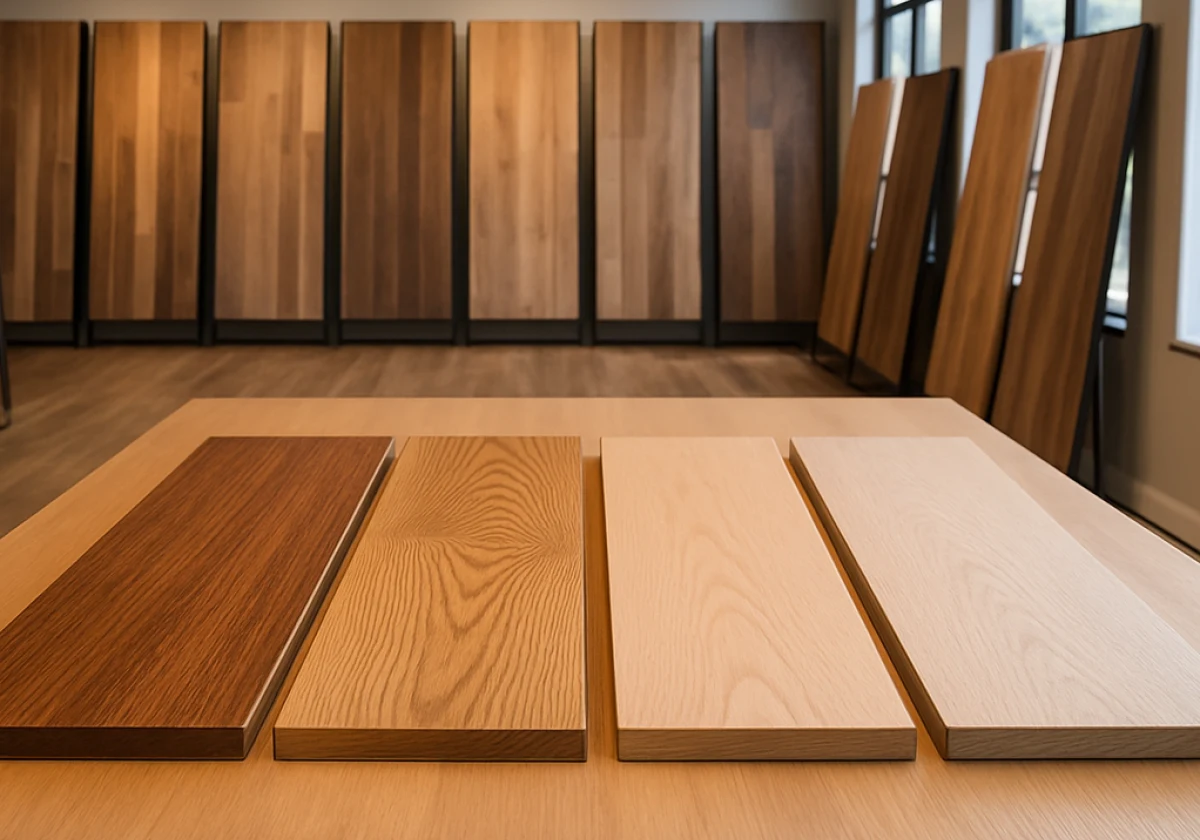
On every quote, ask your supplier for the species, the Janka rating and the treatment record. The Janka rating reflects the pressing method, so those three answers, species, score and treatment, tell you everything the brochure leaves out.
Get those right, and durable bamboo will hold its own against hardwood on a busy floor.
Bamboo Expo shares practical guidance on bamboo flooring, decking and plywood for builders and homeowners. Contact our team to match the right board to your site and climate. Ready to plan your next project? Talk to Bamboo Expo today.