
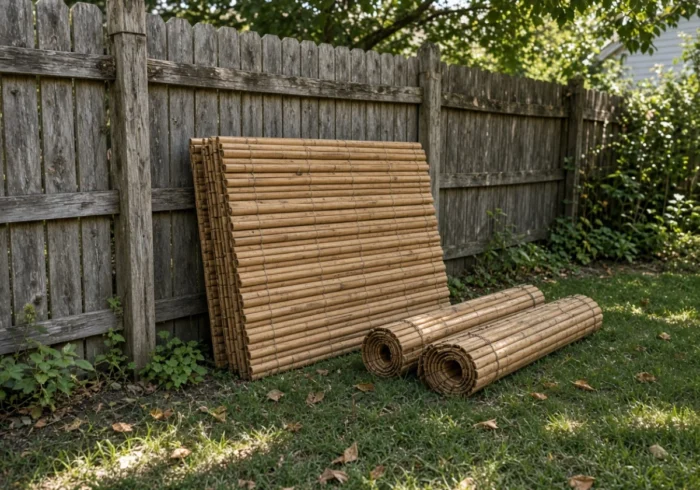
Check your existing fence for sound timber, legal height and sturdy posts before any bamboo screening goes up. Screening only lasts when the fence behind it is solid, compliant and matched to the right product.
Many weekend projects get this order backwards. People buy the screening first and inspect the fence later, if at all. At Bamboo Expo, most failures we see trace back to posts carrying more weight than they were built for.
This guide covers the fence checks to run first. It then compares rolled and rigid products and explains how to install bamboo screening without digging post holes. Let’s start with the fence in front of you.
Checking the Existing Fence Before You Buy Anything
Bamboo screens that fail early rarely fail because of the screening itself. In any bamboo screening existing fence setup, the old fence carries the load. Its timber, height and posts decide how long the finished job lasts.
Run these three checks to separate sound fences from those that need repairs first.
Is the Timber Sound Enough to Hold New Fixings?
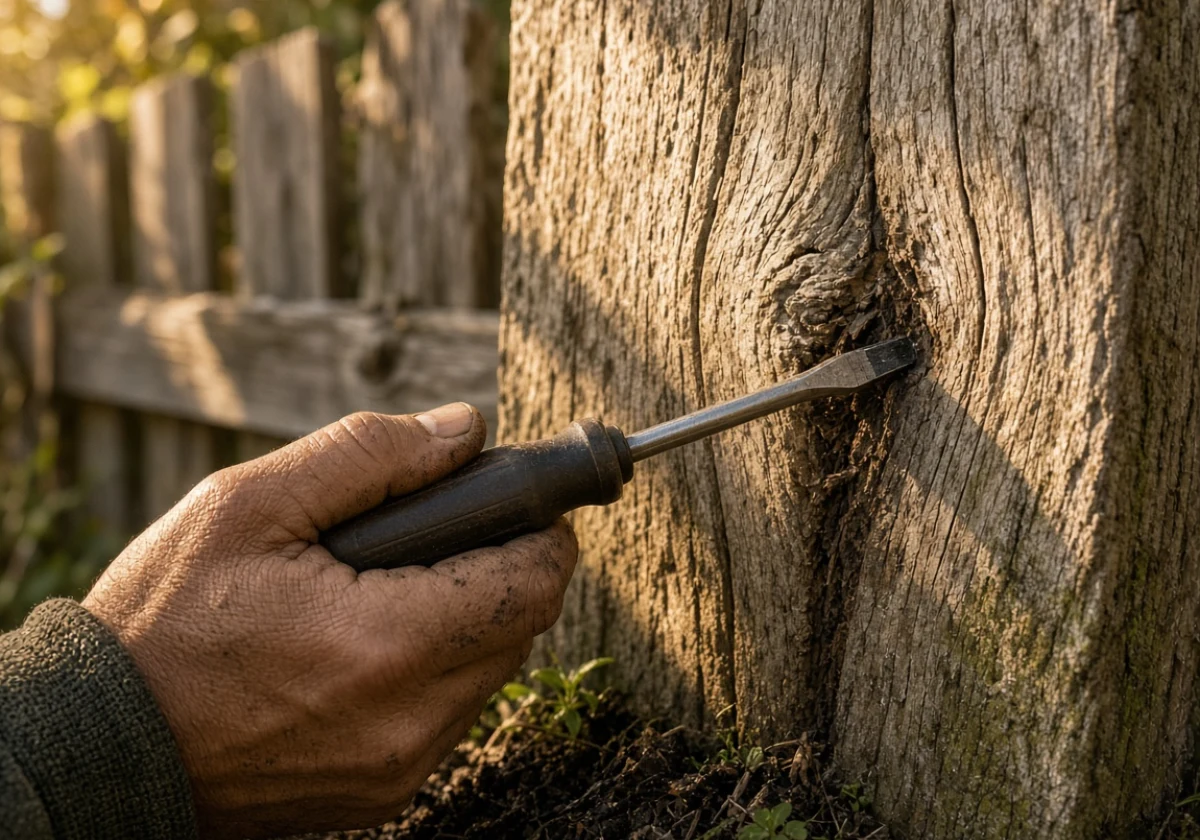
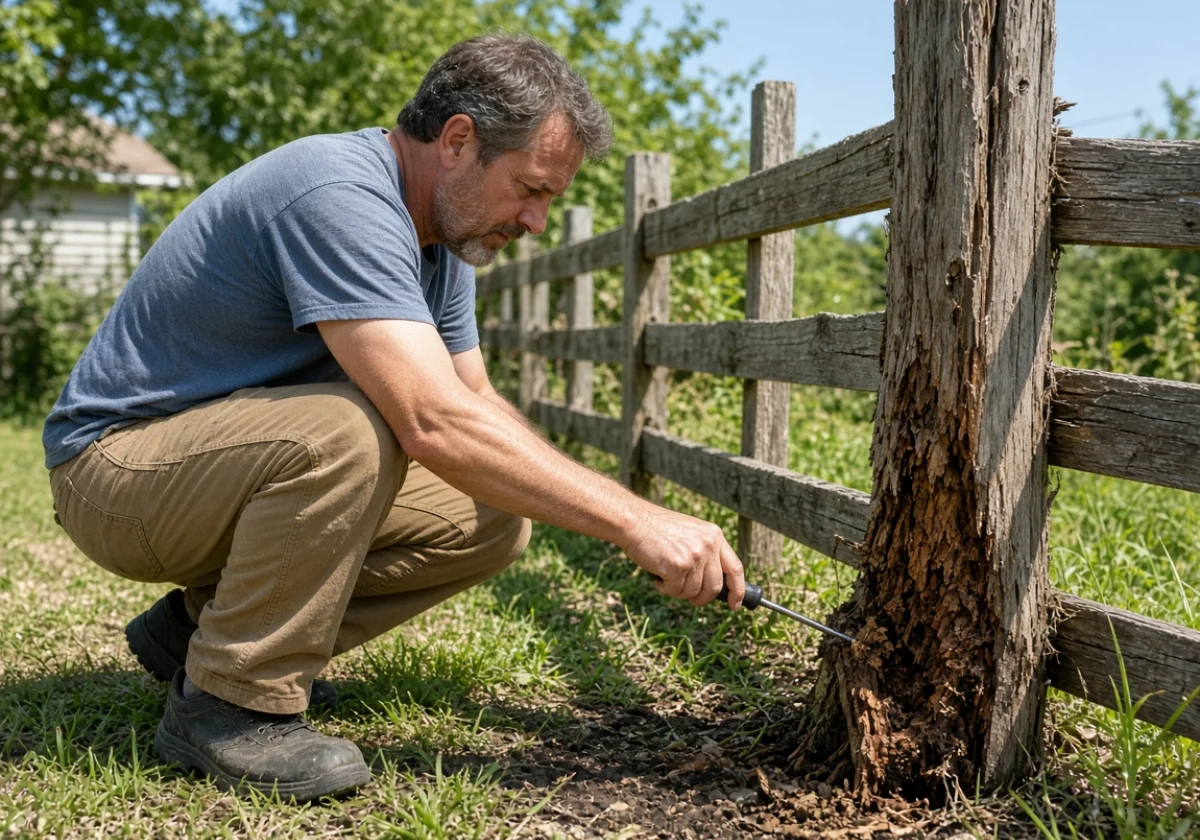
Push a flathead screwdriver into the rails and posts at ground level. Timber that gives way under light pressure won’t hold screws once a bamboo screen catches the wind.
Rot usually starts at the base of each post, where it’s hard to see from above. If the timber is soft there, replace the post before any screening goes near it. Mark each soft spot with chalk so you can plan repairs before ordering.
We’ve fixed bamboo to fences that looked solid from the lawn but crumbled at the first screw (rot often hides until you drill).
Fence Height, Council Rules and the Boundary Line
Adding bamboo screening increases your fence’s overall height, which may affect council approval requirements. According to Brisbane City Council’s boundary fence guidelines, the total height includes screens, fences and retaining walls. In Brisbane, fences over 2 metres above the natural ground surface require building approval.
A retaining wall can also affect the total height, so check the full structure before adding bamboo panels. Rules differ between councils, so confirm your local requirements before ordering.
A Quick Check With the Neighbour Next Door
Talk to your neighbour before you fix anything to a shared fence. Ask how the screening will look from their side, since it faces both ways. You’d want the same heads-up if they were drilling into it.
Rules on shared fences vary by state. In Victoria, for example, fencing guidance requires your neighbour’s consent or the correct legal process before work begins. If the screening will sit on a shared fence or wall, get your agreement in writing. A short chat is free and can save you removing the screening later at your own expense.
Rolled Bamboo Screening or Rigid Panels: Which Suits Your Fence?
Rigid bamboo panels suit straight, sturdy fences, while rolled screening follows slightly uneven fence lines. Both need sound posts and rails for secure fixing.
Compare each option below against what your screwdriver and tape measure showed.
| Feature | Rolled Bamboo Fencing | Rigid Bamboo Fence Panels |
|---|---|---|
| Weight | Light, so one person can hold a roll against the rails | Heavier, and anything tall needs a second pair of hands |
| Fixing method | Screws through the horizontal wires, plus tie wire at each rail | Screwed or bracketed onto the posts and top rail |
| Cost per metre | Lower, which is why it wins on long boundary runs | Higher, though the finish holds up close inspection |
| Best fence condition | Older, slightly bowed fences with uneven post spacing | Straight, level fences with posts that don’t move |
Start with the condition of your fence before comparing colours and finishes. If access is narrow, check the dimensions of each roll or panel before ordering. Smaller sections may be easier to carry through a side passage.

How to Install Bamboo Screening Over Your Existing Fence
Once you’ve chosen a product, the work is lighter than building a new fence. The frame is already standing, so you skip post holes entirely. Every bamboo fence installation over an old fence involves four tasks: measuring, choosing fixings, attaching the screening and trimming.
Follow these four steps in order, from tape measure to finished screen.
Measuring Up and Allowing for Ground Clearance
Run a tape along the fence line and measure each run between posts separately. Old fences rarely sit level, so a single figure will leave you short somewhere.
Next, allow about 50 mm between the bottom of the screening and the ground. Subtract this clearance from the available fixing height before choosing your screen size. You should check the finished height against your council’s rules.
How to Choose Cane Thickness and Fixings
Cane thickness decides how well the screen handles wind. Thicker canes hold their shape on exposed fences, while thin canes flex and gradually loosen the fixings.
Next, match each fixing to the surface behind it. Wood screws suit timber rails, and masonry anchors hold a screen against brick. Near the coast, pay extra for stainless steel screws (salt air corrodes plain steel faster than most people expect).
Attaching the Screening with Screws and Tie Wire
When installing bamboo rolls, start at one end and work across, keeping the top edge aligned to a string line. Screws through the horizontal wires carry the weight, and the tie wire closes any gaps.
We recommend spacing the screws every 300 mm along each rail. Wider spacing lets the screening lift in wind and pull the canes off the wires. Finish each run by twisting tie wire at the top, middle and bottom.
Trimming the Top for a Level Finish
Trim the top only after every fixing is in place. That way, you cut to the line you can see rather than the one you measured. Hold a fine-tooth saw flat against the canes and cut slowly, since a rushed cut splinters the ends.
For a cleaner finish from the footpath, cap the cut edge with a timber rail.
A Little Care Keeps Bamboo Privacy Screening Looking Sharp
Once the screening is up, seasonal care stops it greying and splitting. Australian sun and rain age natural bamboo quickly, and west-facing runs usually show it first.
UV light fades the canes, while repeated wetting and drying opens hairline splits along the grain. In our experience, quality bamboo oiled each spring keeps its colour much longer than untreated screens.
These yearly tasks keep newly installed bamboo in good condition:
Refresh the Protective Finish: Spring is a good time to assess the bamboo’s surface. Faded patches or a worn finish may call for another coat of bamboo-compatible oil or sealer. Follow the manufacturer’s recommended reapplication schedule.
Inspect Screws and Tie Wire: Strong winds can gradually loosen the points holding the screen against the rails. The top corners and exposed ends often face greater pressure. Any loose or rusted fixings need attention before sections begin pulling away.
Keep the Bottom Edge Clear: Fallen leaves and garden mulch sometimes collect beneath the screen after heavy rain. That’s why you should maintain a clear 50 mm gap between the cane ends and damp material. Remove any buildup before moisture collects around the bamboo.
Remove Dirt and Mould: Dust and cobwebs often collect between tightly packed canes, especially in sheltered areas. A soft brush handles most surface dirt without damaging the finish. For mould, use a bamboo-compatible cleaner and allow the screen to dry thoroughly.
Pay particular attention to loose fixings and damp cane ends, as both may need attention before the next seasonal inspection.
Ready to Give Your Fence a Fresh Look?
Before ordering, photograph your fence and record its height, length and post spacing. Note any loose rails, damaged timber or uneven sections. These details will help you compare screening products and identify repairs that need attention first.
Bamboo Expo supplies bamboo fencing and screening to homes across Australia. Contact the team to ask about available sizes, fixing requirements and suitable options for your existing fence.