
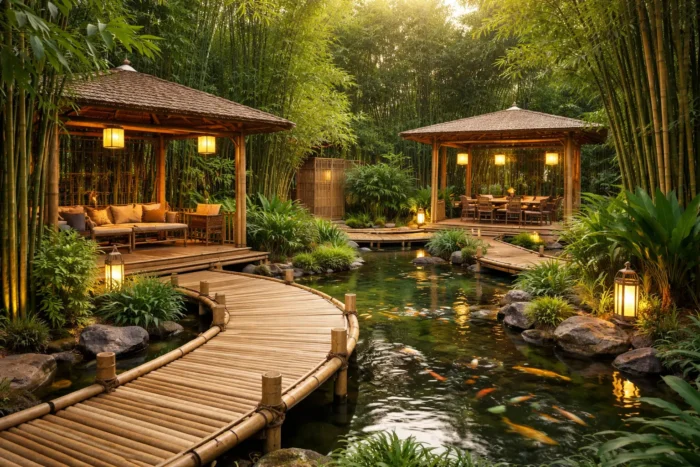
Bamboo is one of the top choices for sustainable outdoor design because it’s renewable, low-maintenance, and far gentler on the environment. It grows fast, requires minimal processing, and gives your outdoor space a natural look. For eco-conscious Australians, that’s a pretty compelling combination.
That’s why more Australians are choosing renewable materials like bamboo for their fencing, screening, and garden builds; and honestly, it’s not hard to see why. This article covers what makes bamboo a genuinely eco-friendly option, how it performs in real-world settings, and why it’s worth considering for your next outdoor project.
Keep reading, the details might surprise you.
What Makes Bamboo Environmentally Friendly?
Bamboo stands out as an environmentally friendly material for one reason: it gives back more than it takes. Unlike timber or steel, bamboo production leaves the surrounding environment largely intact. And that’s rare in the world of building materials.
Let’s have a closer look:
- Renewable Growth: No replanting needed. Bamboo regrows from its existing root system after every harvest. What’s more, a new shoot reaches full harvestable size in three to five years, while timber trees take anywhere from 25 to 80 years to get there.
- Soil Protection: Most raw materials strip the land bare. But, Bamboo roots stay in the ground after harvesting, actively preventing erosion and keeping surrounding natural resources intact over time.
- Minimal Processing: The list of toxic chemicals in timber treatment is long. And guess what, Bamboo skips most of that, needing far less chemical processing than steel or timber. That means a smaller environmental footprint from the start.
In our experience, bamboo panels hold their shape and structure with far less upkeep than timber. Those three qualities combined make bamboo one of the more practical, environmentally friendly material choices for Australian outdoor spaces.
How Fast Does Bamboo Grow?
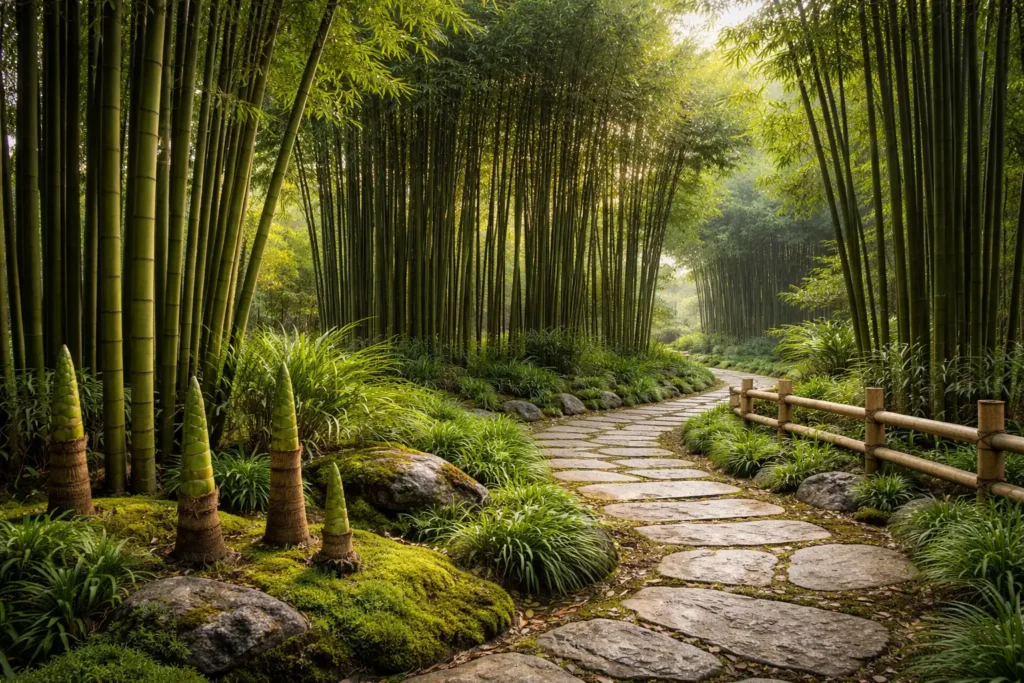
Did you know, bamboo grows faster than any mainstream building material available today? Most species reach full harvestable maturity in three to five years, and the plant regrows from its existing root system without any replanting. And compared to timber trees, they need decades to reach the same point.
To put that in perspective, a bamboo plant can hit full maturity before your new timber fence even needs its first re-coat. That rapid growth rate means more renewable materials are available without extra pressure on natural forests. So when forests face less pressure, deforestation slows, carbon emissions drop, and biodiversity gets a chance to recover.
For anyone serious about sustainable outdoor design, that growth advantage translates directly into a more reliable, lower-impact material supply for years to come.
Bamboo Products for Outdoor Design
Most people are surprised by how many bamboo products are available for outdoor use. Fencing, screening, decking, and outdoor furniture all have solid bamboo options available, and the variety on the market today might surprise you (many assume bamboo stops at garden stakes).
To see why bamboo works so well outdoors, it helps to put it side by side with the materials it replaces:
Product Type | Bamboo | Timber | Steel/Plastic |
Fencing & Screening | Renewable, low-maintenance | Requires regular treatment | Prone to rust or fading |
Decking & Cladding | Naturally durable, eco-friendly | Warps and cracks over time | High carbon footprint |
Outdoor Furniture | Bamboo textiles and fabric options are available | Heavy, less sustainable | Non-renewable materials |
Garden Landscaping | Supports sustainable landscaping | High maintenance | Poor visual interest |
Bamboo is one of the few outdoor materials that delivers on both cost and conscience. And it doesn’t even need regular chemical treatment to hold up outdoors, which cuts the long-term maintenance bill considerably. For Australian homeowners weighing up materials, that kind of low-maintenance performance is hard to overlook.
That said, the real story behind bamboo’s popularity isn’t just about upkeep costs. It goes right down to the environmental impact of how it’s made.
The Real Environmental Impact of Bamboo
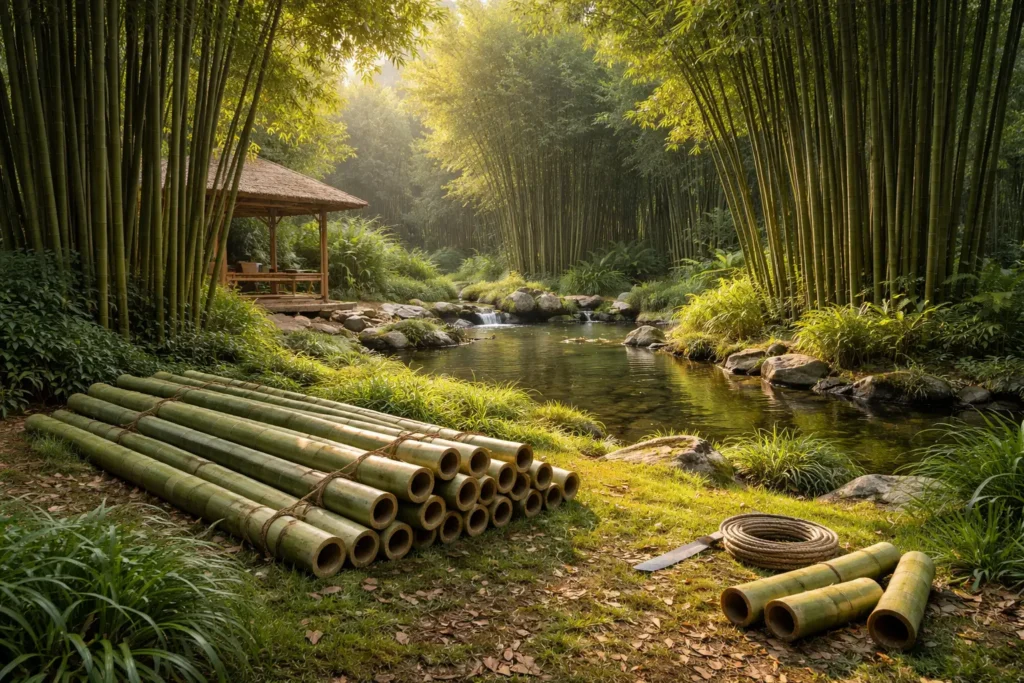
Bamboo has a lower environmental impact than timber or steel at nearly every stage of production. Put simply, no clear-cutting means surrounding trees, soil, and wildlife stay intact (steel and timber production carries an emissions cost most homeowners never see).
Looking at each material individually puts the difference into perspective.
Bamboo vs. Timber
Timber production requires clear-felling large areas of forest in one go. That process removes native plants, destabilises soil conditions, and wipes out habitats that took decades to form.
Bamboo harvesting works differently. Individual culms get cut while the root system stays fully intact, so the surrounding land keeps its vegetation and starts regrowing within weeks.
Bamboo vs. Steel and Plastic
Few industries pump out carbon dioxide quite like steel manufacturing does. Plastic isn’t much better either, as it relies on fossil fuels and releases toxic chemicals during production and breakdown. Bamboo, by contrast, biodegrades naturally, produces far fewer emissions, and doesn’t need fossil fuels to grow or process.
When you put those comparisons side by side, bamboo consistently comes out as the more responsible choice.
How Bamboo Absorbs Carbon Dioxide
Bamboo absorbs carbon dioxide through photosynthesis, the same way most plants do. But at a rate that puts most other species to shame.
During its growth phase, bamboo pulls significantly more CO₂ from the atmosphere than timber trees of a comparable size. For a building material, that’s an unusual and genuinely useful quality.
For instance, one hectare of bamboo soaks up roughly 17 tonnes of CO₂ per year. A comparable hardwood forest manages just around 6 tonnes. Multiply that gap across a full construction or landscaping project, and the carbon savings become significant.
That is exactly why sustainable forestry experts increasingly recommend bamboo as a lower-impact building material.
You’d also be surprised to learn that bamboo holds carbon in its bamboo pulp, woody fibres, and root structure long after harvesting. So even when it becomes a fence panel or garden screen, that stored carbon stays locked in.
For anyone working toward a more sustainable future, that’s a pretty handy bonus.
Tips for Choosing Sustainable Materials
Now that we’ve covered why bamboo performs well environmentally, here’s how to put that knowledge to use. The right certifications, product choices, and plant pairings lower the environmental footprint of any outdoor project significantly.
Here are three worth keeping in mind.
- FSC Certification: The Forest Stewardship Council label exists for a good reason. Not every bamboo product goes through responsible sourcing checks. And without certification, there’s no way to verify how or where the material was harvested. In our testing, FSC-certified bamboo consistently came out ahead on both finish quality and lifespan.
- Native Plant Pairings: Pairing bamboo screening with native plants or fruit trees does more than look good. Native plants suit local climate conditions, need less water, and require fewer pesticides. That combination lowers maintenance and supports promoting biodiversity in your garden.
- Recycled Materials: One practical way to lower a project’s environmental footprint is to pair bamboo with recycled materials. Reclaimed timber or recycled concrete alongside bamboo fencing cuts the demand for new raw materials considerably. The result is less waste, a smaller carbon footprint, and no drop in quality.
As you can see, small, considered choices add real environmental value to any outdoor project over time.
Bamboo: A Simple Swap With a Big Payoff
Outdoor builds carry a real environmental cost, and the materials you choose play a big part in that. Bamboo offers a proven, renewable path forward for Australian homeowners who want better results without the environmental baggage.
This article covered what makes bamboo environmentally friendly, how fast it grows, how it absorbs carbon dioxide, and how to pick the right sustainable materials for your outdoor space. Small choices, big impact.
When you’re ready, seek out Bamboo Expo. We have the bamboo fencing, screening, and cladding options to get your project started on the right foot. Our team will take you through every product, every specification, and every detail you need to build with confidence.
The planet will thank you for it.