
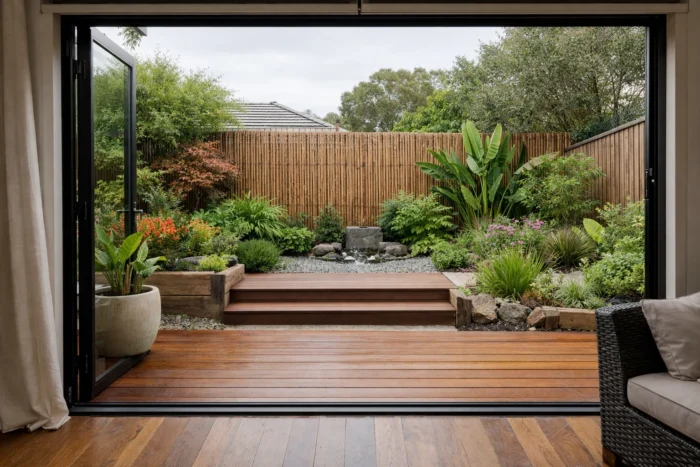
A backyard makeover doesn’t have to mean ripping everything out and starting from scratch. Sometimes, a few well-placed changes are all it takes to turn a space you barely use into one you actually enjoy.
Bamboo is one of those materials that fits that idea well. It’s natural, versatile, and works into just about any garden style without looking out of place or needing a full renovation.
In this article, we’ve put together five simple project ideas to help you get started. By the end, you’ll have a clear picture of what’s possible and which idea suits your backyard best.
But before diving in, let’s cover what you need to sort out first.
What to Assess Before Starting Your Bamboo Project
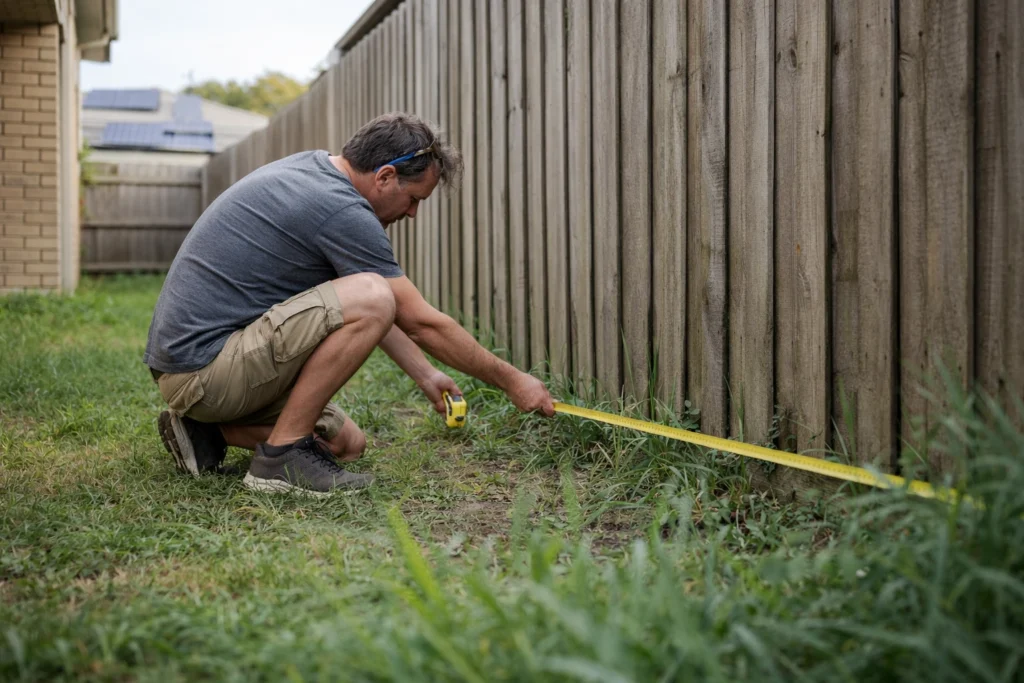
Before you buy anything, get clear on what’s not working in your yard. Is it a fence line that gives neighbours a full view? Maybe a bare wall that makes everything feel unfinished, or a dead corner that’s collected leaves since you moved in?
Once you know your problem, it becomes easier to decide which bamboo project makes the most sense for your space. It also saves you from buying materials you don’t need or realising halfway through that measurements don’t work.
Quick reminder: Some fencing and landscaping changes require permits, depending on height, placement, or proximity to boundaries, so check with your local council before starting.
With planning out of the way, here are five bamboo projects to consider.
Idea 1: Add a Bamboo Privacy Screen Along Your Fence Line
Did you know that the average site area for new houses in Australian capital cities has dropped by 13% over the last decade, according to the ABS? With smaller blocks, your backyard sits closer to your neighbours than ever before, making privacy a bigger concern.
A bamboo privacy screen along your fence line offers a simple, natural way to create separation without major construction. Before installing one, make sure the panels suit your fence height, provide the level of coverage you need, and can handle your local climate.
Picking the Right Panels for Your Space
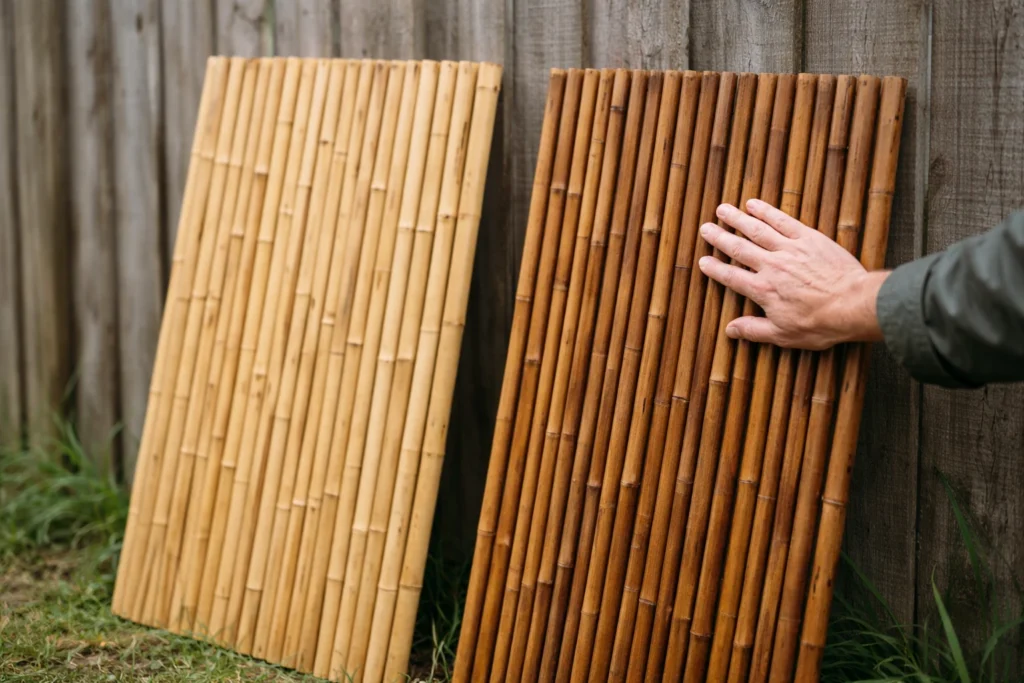
The right panel depends on how much sun, wind, and weather your fence line actually gets. For example, areas with a lot of exposure need thicker, denser bamboo panels with a powder-coated aluminium frame.
That’s because they handle exposure far better than lightweight timber-framed options. For more sheltered fence lines, a standard panel in natural or stained colours works just fine and costs less.
Panel height is something to set carefully, too. Matching it to your existing fence keeps the screening looking intentional rather than patched together.
How to Keep Them Looking Green and Fresh
Bamboo panels are already low maintenance, but occasional cleaning and resealing can keep them looking good and help them last for years. To make that happen, focus on these three things:
- Rinse the panels every few months, especially after heavy rain, to stop dust and grime from dulling the colour.
- Apply a light coat of bamboo oil once a year to help the canes handle the Australian sun without drying out.
- Check for loose ties or shifting frames early, because small issues caught quickly are a lot cheaper to fix than a full replacement.
Skip these steps and the panels will still do their job, but they’ll lose that fresh green look much sooner than necessary.
Idea 2: Build a Shade and Wind Break for Your Outdoor Seating
A decent wind break can turn an outdoor seating area from somewhere you tolerate into somewhere you actually want to sit. But it only works if it’s set up properly. So make sure these three details are right before installation:
- Position: Your screen should be placed where it does the most work for comfort. That’s usually the western side of your seating area, where afternoon heat and wind hit hardest, especially during summer storms.
- Height: For most residential setups, a common starting point is 1.8 metres. Panels installed higher than that need solid structural support behind them, since increased wind exposure can cause flexing and movement over time.
- Anchoring: A loosely mounted bamboo screen will become a sail in strong winds because bamboo panels generate more wind resistance than they appear to. Mount them on a dedicated frame fixed securely to a wall or post.
A screen that shifts or collapses mid-storm is the last thing you want. Getting these three factors right beforehand can prevent that from happening.
Idea 3: Create a Bamboo Feature Wall in Your Backyard
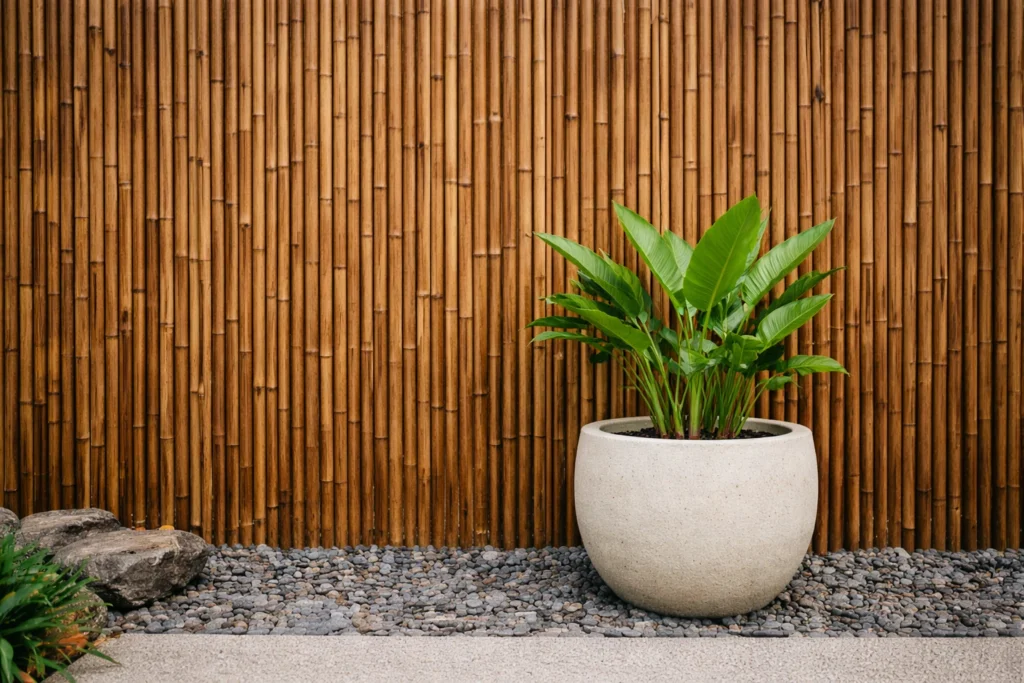
Paint fades, render cracks, and bare timber turns grey. At some point, you start wondering if there’s a better option.
Bamboo cladding offers a more textured, natural alternative. To make it work as a true feature, start by choosing a wall with good visibility from your main outdoor area. A back fence, an exterior house wall, or even a simple freestanding frame can all work well.
Once you’ve picked the wall, measure it carefully before ordering anything. Accurate measurements will help you calculate how many panels you need and avoid awkward gaps. That’s really all the prep needed before you start ordering and installing.
Idea 4: Use Bamboo Panels to Frame Your Garden Beds and Plants
Picture two garden beds side by side. One has a clean bamboo border holding everything in place, and the other has grass creeping in from every angle. If you want yours looking like the first one, here’s what to focus on:
- Height: For most garden beds, panels sitting around 30 to 50cm off the ground hit the sweet spot. That’s tall enough to define the border clearly without blocking sunlight from reaching your plants, and low enough that it doesn’t overpower the greenery around it.
- Spacing: You want the installation tight at ground level, or weeds and grass will sneak through. To do that, push panels flush against the soil line when installing. That way, you’re not spending every other weekend pulling them out by hand.
- Material: Bamboo is a natural fit for garden edging, and not just because it looks good next to plants. It won’t leach chemicals into the soil either, especially if you’re growing herbs or vegetables close by.
Sort these out early and you’ll spend a lot less time on your hands and knees pulling weeds once the garden fills in.
Idea 5: Create a Backyard Zone for Kids or Pets Using Bamboo Screening
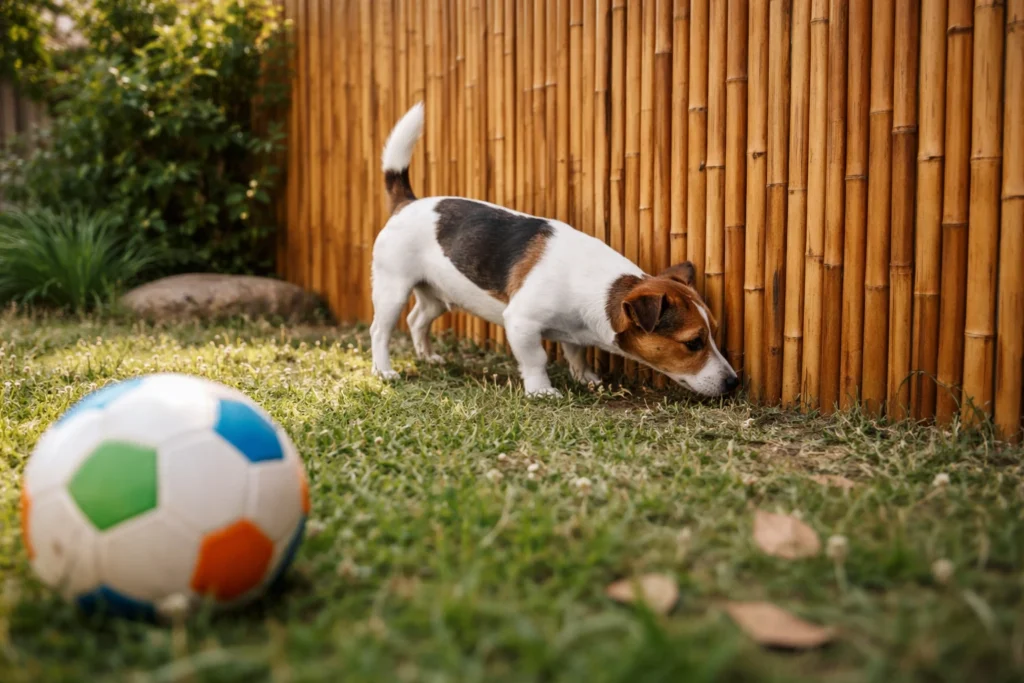
Anyone who’s watched a dog discover a freshly planted garden bed knows exactly why this idea made the list. Those furry friends might be our best mates, but left to roam freely, they’ll dig up plants, trample grass, and treat your garden beds like a playground. Kids tend to do the same thing, just with less digging.
A bamboo-screened section gives kids and pets their own space with a clear boundary, without the yard feeling carved up or smaller. The privacy screening panels act as a natural divider between the play area and the rest of the garden. This keeps your plants, grass, and flowers safe from little feet and paws.
It’s also worth thinking about what you’re fixing the panels to. A dedicated frame keeps the panels freestanding, so you can reposition them if your layout changes. They’re also splinter-free and have no sharp edges, making them a safer option around young children than timber palings or metal mesh.
Pick One Idea and Start This Weekend
Five ideas are enough to get started, and you don’t need to tackle all of them at once. Pick the one that solves your biggest backyard problem first and go from there.
Most of these projects can be done over a weekend with the right panels and a bit of planning. The hardest part is usually just deciding where to start.
If you’re ready to get moving, browse our range of bamboo panels and landscaping ideas at Bamboo Expo and find something you’ll love for your outdoor space.